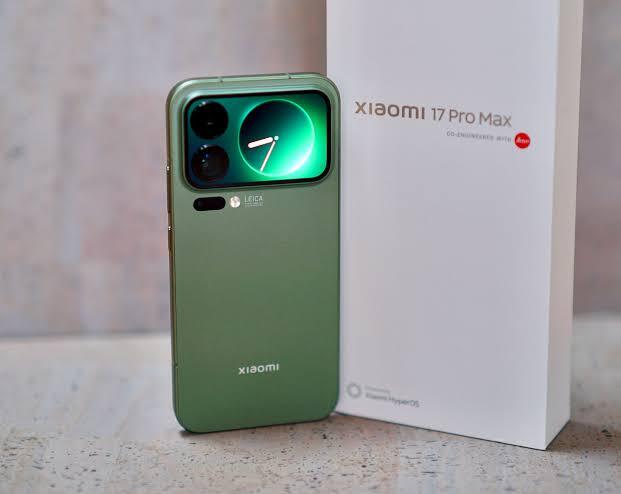
So you thought the 17 Ultra was something. Wait till you hear about the Pro Max.
First thing first – Xiaomi is being really obvious here. They named it Pro Max. Like Apple. They’re not even trying to hide it anymore. Last year it was just “Ultra.” Now they got a whole “Pro” and “Pro Max” lineup like they’re copying Apple’s homework and changing a few words. But honestly? The phone is good enough that I don’t even care.
I got to spend some time with one. Here’s the deal.
The Design – Yeah There’s A Second Screen
This is the weirdest thing about the phone and also the coolest.
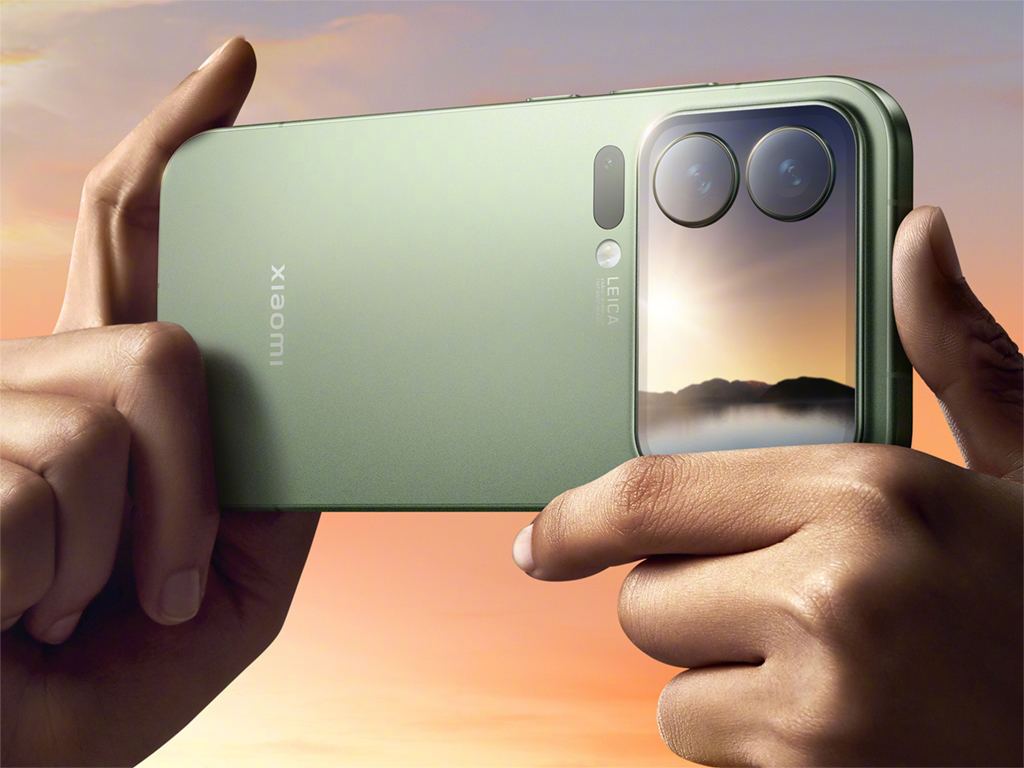
On the back, around the camera bump, there’s a whole second screen. Like a little display. 2.9 inches. It wraps around the camera lenses. You can use it for notifications, selfies, music controls, whatever.
At first I thought it was stupid. Like who needs a screen on the back of their phone? But then I actually used it. You know when your phone is face down on a table and you wanna see if you got a message without picking it up? The back screen shows it. Or when you’re taking a selfie with the main camera (which is way better than any front camera), you can see yourself on the back screen. That’s actually useful.
But here’s the thing – app support is limited right now . Not every app works with it. And if you drop the phone? That back screen is probably shattered. So you’re gonna want a case. A good one.
The phone itself is thinner than you’d expect. 8mm. And lighter too – 219 grams . That’s lighter than the iPhone 17 Pro Max which is like 233 grams. You feel the difference. It’s not a brick.
Colors are black, white, purple, and green . I tried the purple one. Looks kinda classy actually. Not like a toy.
The Main Screen – Big And Bright
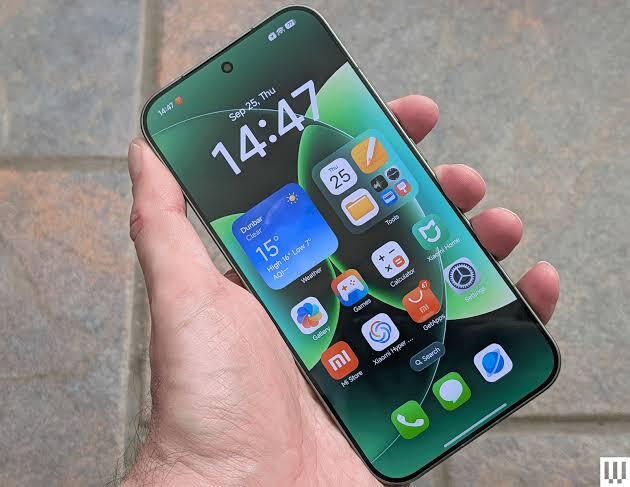
6.9 inches. LTPO AMOLED. 120Hz refresh rate. Same as most flagships.
But the brightness? 3500 nits peak . That’s stupid bright. Like “I can see my phone in direct sunlight without squinting” bright. The iPhone 17 Pro Max only hits 3000 nits. So Xiaomi wins here.
Resolution is 2608 x 1200. Not quite QHD but close enough. You won’t notice pixels unless you’re holding it two inches from your face.
The screen is flat too. No curved edges. Thank God. Curved screens were dumb.
Oh and there’s a punch hole for the front camera, not a Dynamic Island like Apple. Some people care about that. I don’t.
The Battery – Holy Crap
Let me say that again. Seven thousand five hundred.
That’s massive. Like tablet battery in a phone massive.
In real life? You can get two days easily. Maybe three if you’re not gaming or watching videos all day. PCMark battery test showed 22 hours and 57 minutes . That’s almost a full day of continuous use.
Charging is 100W wired . That means empty to full in about 30-35 minutes. 50W wireless too. And reverse wireless charging at 22.5W so you can charge your earbuds or even another phone.
But – and this is a big but – Xiaomi doesn’t include the charger in the box anymore . So add another $50 if you want that 100W speed. Annoying.
Click Here For More Details
Performance – Fast But Hot
Snapdragon 8 Elite Gen 5. 3nm. Adreno 840 GPU. 12GB or 16GB of RAM . UFS 4.1 storage.
Basically the fastest Android chip you can get right now.
Benchmarks? 3DMark Wild Life Extreme scored 5808 . That’s high. Real world? Everything opens instantly. Games run smooth. No lag. No stutter.
But.
The phone gets warm under load. Really warm. In gaming tests, it hit 40-41°C . That’s not burning hot but you feel it. And then the phone throttles – reduces performance to cool down . So after 30-40 minutes of heavy gaming, frame rates might drop a bit.
Compared to the iPhone 17 Pro Max? The Xiaomi actually runs cooler in games. The iPhone hit 43°C in the same tests . So Xiaomi wins here too.
The Cameras – Leica Tuned, Mostly Great
- Main: 50MP, 1/1.28″ sensor, f/1.7
- Ultra-wide: 50MP, 17mm equivalent (narrower than last year)
- Telephoto: 50MP, 5x optical zoom, 115mm equivalent
Leica tuning. That means colors are rich but not fake. There’s a certain look to the photos – moody, contrasty, cinematic.
In good light? Amazing. Detail is sharp, colors are accurate, dynamic range is wide. DxOMark gave it a 159 camera score . That’s top tier.
Low light? Also great. The main sensor is big so it captures a lot of light. Noise is controlled well. Better than the iPhone in some scenes .
But there are issues.
The ultra-wide is narrower than before. 17mm instead of 14mm . That means you can’t fit as much in the frame. Bummer if you like landscape or group photos.
And the telephoto? 5x zoom is a weird choice. Between 2x and 5x, the phone is basically cropping the main camera. So zoomed photos at 3x or 4x aren’t as sharp. A 3x zoom would have been more practical day to day .
Video is where it falls behind. DxOMark says white balance shifts around, autofocus isn’t always reliable, and low light video has noise . If you shoot a lot of video, the iPhone is still better.
Portrait mode is excellent though. Skin tones look natural. Background blur looks real, not fake.
Gaming Performance – Let’s Dig Into This Since You Asked
You wanted gaming stuff specifically. Here we go.
First, the good:
- 120fps in supported games like Call of Duty Mobile and Genshin Impact
- Touch response is insanely fast – 2000Hz or something
- Flat screen means your thumbs don’t slip off
- The chip is powerful enough to run anything
In Wuthering Waves, the Xiaomi 17 Pro Max averaged 59.1 FPS while the iPhone 17 Pro Max averaged 57.8 FPS . And Xiaomi used less power (4.83W vs 5.89W) and ran cooler.
That’s actually impressive.
Now the bad:
- The phone gets warm after 30-40 minutes
- Then it throttles – screen brightness drops, frame rates might stutter
- The camera bump digs into your fingers when holding sideways. Like the Ultra. Still annoying.
- Battery drains fast while gaming. 2 hours of heavy gaming and you’re down to maybe 50-60%.
If you’re a serious mobile gamer, get a phone with active cooling like the RedMagic. If you’re a casual gamer who plays 20-30 minutes at a time, this is fine.
Click Here For More Details
Software – HyperOS 3
Android 16 with Xiaomi’s HyperOS 3 on top .
It’s… fine.
There are some nice features. “Super Island” – Xiaomi’s version of Dynamic Island that uses the punch hole for notifications. AI features like screen recognition, smart captions, AI search. Cleaner design than before.
But there’s bloatware. Pre-installed apps you don’t want. And ads in some system apps . On a $1000+ phone. That’s annoying.
Also, if you’re outside Asia, some features might not work. No Android Auto support on imported units . No eSIM support either. And only English as a Western language option.
Update policy? Xiaomi promises 3 years of major OS updates . That’s less than Samsung (7 years) and Apple (5+ years). So if you keep phones for a long time, that matters.
The Back Screen Again – Is It Useful?
I gotta talk about this more because it’s the weirdest thing.
The 2.9-inch back display can show:
- Notifications and caller ID
- Selfie preview when using the main camera
- Music controls
- Weather, calendar, steps
- Some AI tools
It’s actually kind of nice for taking selfies with the 50MP main camera instead of the front camera. The quality difference is huge.
But here’s the thing – you forget it’s there after a while. And not every app supports it. So it feels a bit gimmicky sometimes. Cool party trick but not a reason to buy the phone on its own.
Pros And Cons – The Honest List
Pros:
- Battery life is insane. 7500 mAh is no joke
- Charging is stupid fast (if you buy the charger)
- Cameras are top tier – Leica tuning is legit
- The back screen is actually useful for selfies and notifications
- Screen is bright as hell
- Flat screen for gaming
- Runs cooler than iPhone in games
- Thinner and lighter than you’d expect
Cons:
- No charger in the box
- Phone gets warm and throttles during long gaming sessions
- Camera bump still hurts your hand
- Ultra-wide is narrower than before (17mm vs 14mm)
- 5x zoom is less practical than 3x for everyday use
- Video quality isn’t as good as iPhone
- Software has bloatware and ads
- No Android Auto or eSIM on imported units
- Only 3 years of updates
- The back screen might crack if you drop it
- Expensive – around $1000 USD depending on region
Who Should Buy This
If you want the best battery life on any flagship phone right now? Buy this.
If you love taking photos and you like the Leica look? Buy this.
If you’re a gamer who plays for hours at a time? Maybe look at the RedMagic or ROG Phone. The throttling will annoy you.
If you shoot a lot of video? Get an iPhone. Seriously.
If you’re outside Asia and want official warranty and support? This might not be for you. Xiaomi isn’t officially releasing it everywhere . Importing is possible but you lose some features.
Final Thought
The Xiaomi 17 Pro Max is a weird phone. It’s got a second screen on the back. It’s got a battery that lasts two days. It’s got cameras that compete with the best. But it also gets warm, the software has ads, and the zoom lens is an odd choice.
I like it. I really do. But I don’t love it.
The battery alone is almost worth the price. Coming from a phone that dies by 6pm, having something that lasts two full days is life changing. And the photos are genuinely beautiful – that Leica look is addictive.
But the little things add up. The lack of eSIM. The throttling. The ads in the software. For $1000+, you shouldn’t have to deal with that.
If Xiaomi fixes the software bloat and adds better cooling for the next one? They’d have something truly special. Right now? It’s a great phone with some annoying flaws.
Would I buy it? Yeah probably. But I’d complain about it the whole time.